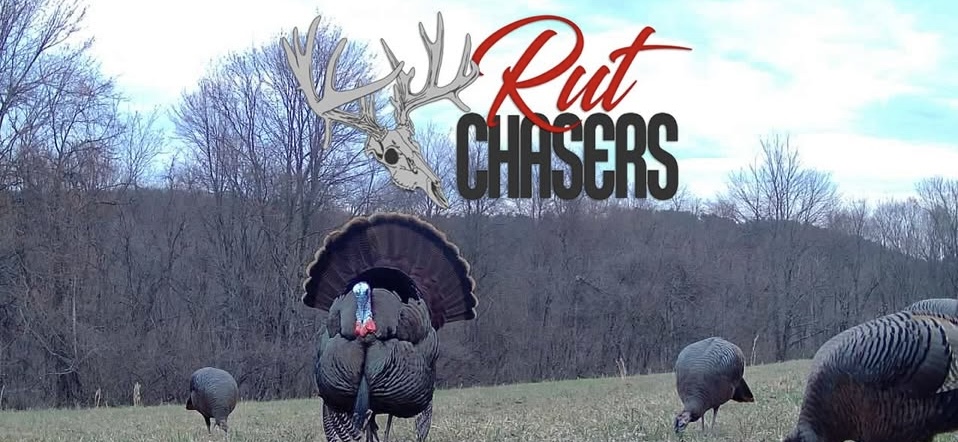
Calling Turkeys During Spring Season in Ohio
 Prev Post
Turkey Hunting Tips, Techniques, and Patience in the Woods
Spring turkey season in Ohio is one of the most exciting times of the year for hunters. The woods come alive with gobbles echoing through the hills, the smell of damp leaves and fresh greenery fills the air, and every sunrise holds the promise of a longbeard stepping into range. But if there’s one skill that separates successful turkey hunters from frustrated ones, it’s the ability to call turkeys effectively.
Calling isn’t just about making noise. It’s about communication—convincing a wary tom that a hen is nearby and interested. Understanding the different types of turkey calls, when to use them, and how to avoid overcalling can make all the difference during spring turkey season.
Let’s break down the most common calls and some proven strategies for using them in the Ohio woods.
Understanding Turkey Language
Before diving into specific calls, it’s important to understand that turkeys communicate all the time. Hens use a variety of sounds to talk with other hens and attract gobblers. As hunters, our goal is to imitate those hen sounds well enough to convince a gobbler to come investigate.
Common hen sounds include:
-
Yelps – Basic contact call used to locate and communicate
-
Clucks – Short, soft notes indicating contentment
-
Purrs – Soft rolling sounds used when feeding
-
Cutting – Fast, excited clucks are often used to get attention
You don’t need to master every sound in the turkey vocabulary, but a good yelp and cluck will kill plenty of birds.
Box Calls: Loud and Easy to Use
One of the most popular turkey calls—especially for beginners—is the box call.
A box call works by sliding a wooden paddle across the edge of a hollow box. The friction creates loud, clear turkey sounds that carry long distances.
Advantages of Box Calls
-
Very easy to learn
-
Produces loud, realistic yelps
-
Great for locating birds at a distance
-
Excellent in windy conditions
Because they’re loud, box calls are great when you’re trying to strike a gobble at daylight or covering large areas of ground. If you’re hunting ridges or open hardwoods in southern Ohio, a box call can reach birds that might not hear softer calls.
A Quick Tip
Once a gobbler answers and starts working toward you, put the box call away and switch to a softer call. Box calls can be difficult to use subtly when a turkey is close.
Pot Call: Realism and Control
Pot calls—also known as slate calls or glass/acrylic calls—are extremely versatile. These calls consist of a round surface mounted in a pot, played with a striker.
Common surfaces include:
-
Slate
-
Glass
-
Crystal
-
Acrylic
These calls produce some of the most realistic turkey sounds available.
Why Hunters Love Pot Calls
-
Excellent tone and realism
-
Allows soft, subtle calling
-
Can produce yelps, clucks, purrs, and cutting
-
Great for working birds already in the area
A slate call is perfect when a gobbler is inside 100 yards and already interested. Soft clucks and purrs can be deadly in these situations.
Mouth Calls: Hands-Free Calling
Many experienced turkey hunters eventually rely on mouth calls, also called diaphragm calls.
These small latex calls sit in the roof of your mouth and allow you to make turkey sounds using air pressure and tongue movement.
Benefits of Mouth Calls
-
Completely hands-free
-
Perfect when a gobbler is close
-
Allows you to keep your gun ready
-
Helps to minimize movement
-
Can produce a wide range of turkey sounds
They take practice, but once mastered, mouth calls are incredibly effective.
A common scenario is having a gobbler hang up just out of range. With a mouth call, you can softly cluck or purr without moving your hands, keeping your shotgun pointed and ready.
Gobble Calls:
Gobble calls imitate the gobble of a male turkey. While they can sometimes prompt a dominant tom to respond, they should be used very carefully.
In states like Ohio, gobble calls can attract other hunters who may mistake the sound for a real turkey.
When They Can Be Effective
-
During midday, when trying to shock-gobble a bird
-
On private land where hunting pressure is low
-
When trying to challenge a dominant tom
Gobble calls can be done with various mouth calls, and there are some on the market that allow you to shake a call to achieve that gobble sound, although those sounds less realistic. However, if used correctly, they generally sound good enough to fool that tom.
When to Call
Knowing when to call is just as important as knowing how to call. This could be an article in itself, but we will keep it simple for this article.
Early Morning (Fly-Down Time)
At daylight, gobblers are often on the roost. This is when you’ll hear the most gobbling.
The key is not to overdo it.
Start with:
-
A few soft tree yelps
-
Maybe a cluck or two
The goal is to let the gobbler know a hen is nearby. Once he flies down, he may come looking. I like to wait until I start to hear the birds call first, so you get an idea of how close they are. You don't want to be calling (especially loudly) in the dark if you have toms roosting right above you. In that case, it's best to stay quiet until daylight. Maybe some light purrs or yelps to draw them to your decoys.
Honestly, in my experiences, if I have toms locked up with other hens just out of range and they won't come to my competing yelp calls, I like to switch to all non-aggressive calls like purrs and occasional clucks. This lets the hens know you don't pose a threat. A purr is a way for a hen to express contentment or a relaxed state. Eventually, those hens come to investigate and hang around, and when the hens head your way, the toms will follow. It's more fun to call the tom in directly, but sometimes trying to call in the hens can be effective.
Mid-Morning: The Sweet Spot
Many successful turkey hunters will tell you that mid-morning can be the best time to kill a gobbler.
By this time:
-
Real hens often go to nest
-
Gobblers may be alone and still searching
This is when calling can shine. A lonely tom may respond aggressively to a hen yelping in his territory.
Walk slowly, call occasionally, and listen carefully for a gobble. Don't get too aggressive. Notice how the turkey talk around you has started to decrease. You need to follow suit. If you're calling too much, it may push them away.
Midday Hunting
Ohio turkey season allows hunting throughout much of the day, and midday can be productive.
A gobbler that ignored hens earlier may suddenly become interested. Use moderate calling and patience. I like to use mostly purrs and soft clucks during this time.
Avoid Being Too Aggressive
One of the biggest mistakes turkey hunters make is overcalling.
If a gobbler is already responding to you, he knows where you are. Calling constantly can actually cause him to hang up and wait for the hen to come to him.
Instead:
-
Call lightly
-
Give him time to work
-
Let curiosity bring him in
Sometimes the best strategy is simply to stay quiet. Know the room. There are some days when the turkeys talk like crazy. It ok to be a little more aggressive on those days. However, there are also days where they are basically silent, and you don't want to be the only "turkey" hammering on calls.
Listen More Than You Call
Turkey hunting is as much about listening as it is calling.
The woods will tell you a lot if you pay attention:
-
Gobbles in the distance
-
Real hens yelping
-
Wing beats from a fly-down
-
Leaves scratching as a bird approaches
The quieter you are, the more information you’ll gather. try to mimic the sounds the birds are making. When in doubt, use less aggressive calls.
Patience Kills Turkeys
Turkey hunting often rewards the most patient hunter.
It’s easy to get frustrated if a gobbler stops answering or takes a long time to come in. But many birds will approach slowly and cautiously.
Stay still. Stay quiet. Be ready.
Many hunters have stood up after 30 minutes of silence only to spook the gobbler that was slipping in silently. Remember, these birds are on their feet all day. There are times when they may take a nap during the day, but it's not like deer, where they are bedded all day. These birds are literally on the move all day, covering a lot of ground very quickly.
Practice Before You Hit the Woods
One of the best things you can do before the spring season is practice your calls at home.
Spend time learning:
-
Basic yelps
-
Soft clucks
-
Purrs
You don’t have to sound perfect. In fact, real hens aren’t perfect either.
But you should be comfortable with your call before opening morning.
Practice while driving, walking, or watching hunting videos. The more natural your calling becomes, the more confident you’ll be in the woods.
Final Thoughts
Turkey hunting in Ohio is a tradition that combines skill, patience, and a deep appreciation for the spring woods. Mastering different calls—whether it’s a box call, slate call, mouth call, or even a gobble call—can dramatically improve your chances of success.
But remember, calling is only part of the equation.
The most successful turkey hunters know when to:
-
Call softly
-
Call sparingly
-
Sit still
-
And simply listen
Sometimes the best call you can make is no call at all.
When everything comes together—the sunrise, a gobble echoing through the hardwoods, and a longbeard strutting into range—you’ll realize why spring turkey hunting is one of the most addictive pursuits in the outdoors.