Cellular Trail Cameras for Deer Hunting
 Prev Post
Tips from Rut Chasers, LLC – Ohio Whitetail Deer Hunting Outfitter
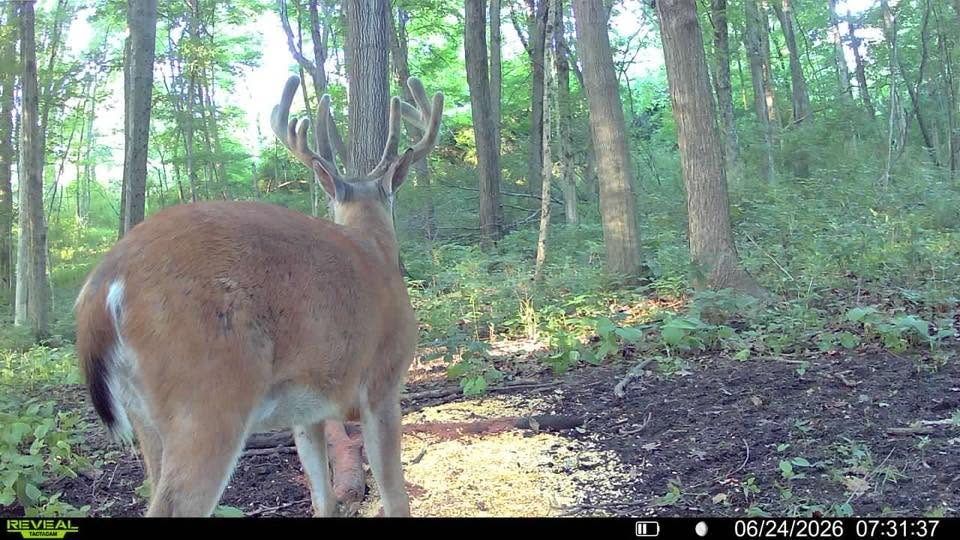
If there's one piece of technology that has completely changed the way hunters scout mature whitetails, it's the cellular trail camera. Years ago, checking cameras meant driving to every property, walking through the woods, spreading human scent, and hoping you didn't bump the buck you were trying to hunt. Today, cellular trail cameras allow hunters to receive photos instantly without ever setting foot on their hunting property.
At Rut Chasers, LLC, we rely heavily on cellular trail cameras throughout the summer and throughout the season to inventory mature bucks, monitor deer movement, identify travel patterns, and prepare our clients for successful Ohio whitetail hunts. We spend countless hours hanging cameras, maintaining bait sites, clearing shooting lanes, and acquiring new properties so that when hunting season arrives, our hunters have the best opportunity possible to harvest a trophy buck.
Knowing how to use cellular trail cameras properly can dramatically improve your success. Fortunately, you don't have to worry about any of this if you're booking a hunt at Rut Chasers, LLC, as we do all the hard work for you. You just show up and hunt!

Book your hunt with Rut Chasers, LLC today.
Get your deposit in. Lock in your week.
Don’t wait and risk missing out.
CALL: 419-543-3433
Why Cellular Trail Cameras Have Become Essential
Late summer is one of the best times of year to locate mature bucks. During July, August, and early September, bachelor groups are still together, and bucks tend to follow very predictable feeding patterns. This makes them much easier to locate than they are once hunting pressure begins.
Traditional trail cameras certainly still work, but every trip to swap SD cards leaves behind scent and creates unnecessary disturbance. Cellular trail cameras eliminate much of that pressure by sending photos directly to your phone.
Instead of checking the cameras every week, you can monitor deer activity from home and enter the property only when absolutely necessary.
This is especially important when targeting older bucks that quickly recognize human intrusion.
Start With Food and Water
The easiest places to begin your camera setup are around reliable food sources and water.
During the heat of late summer, deer often visit water every day. Small ponds, creek crossings, secluded watering holes, cattle tanks, and even small mud holes can become excellent camera locations.
Water sources often produce daylight pictures because deer visit them throughout the day during hot weather.
Food sources are equally important.
Agricultural fields such as soybeans, alfalfa, and standing corn attract deer throughout the summer. Setting cameras on field edges can quickly tell you which bucks are using a property.
However, placing cameras directly on field edges often produces thousands of photos. Instead, consider placing cameras where trails enter the field. This gives you better information on travel direction and often results in fewer unnecessary pictures.
Bait Sites Can Be Extremely Effective
Where regulations allow, bait sites are one of the best tools available for inventorying bucks.
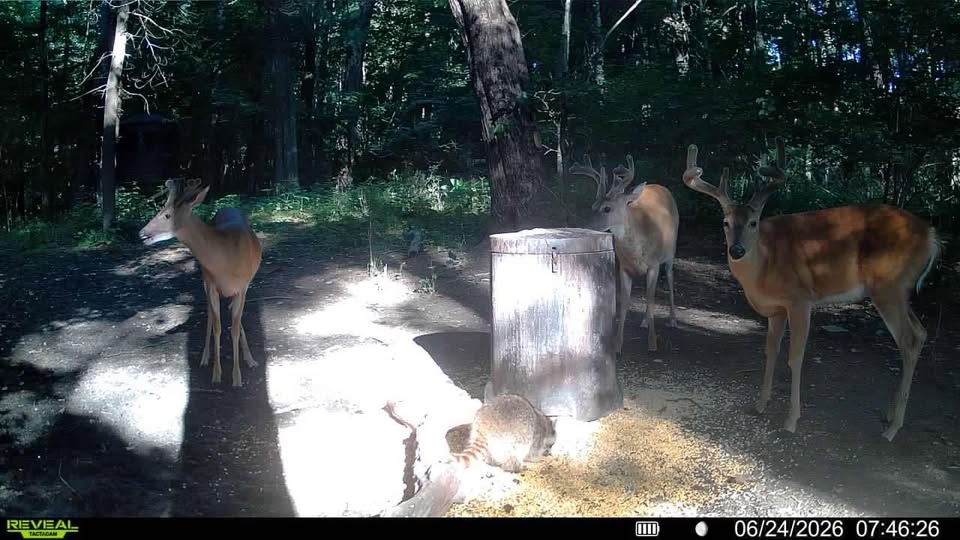
A properly placed bait site allows multiple deer to stop within camera range, giving you clear photos for identifying individual bucks.
At Rut Chasers, LLC, we monitor deer throughout the summer to track buck growth, identify new deer entering the property, and determine which mature bucks are consistently using an area.
Because deer typically spend more time at bait than they do while simply walking along a trail, you'll often capture multiple angles that make it much easier to identify bucks.
If you're using bait, position your camera approximately 15 to 20 feet away and angle it slightly downward. This provides excellent photo quality while reducing false triggers.
Keep in mind you need to verify if and when baiting is allowed. In many places, baiting is illegal, and in other states, there is a baiting period you must follow.
Don't Overlook Travel Corridors
Some of the best camera locations aren't on food or bait at all.
Travel corridors connecting bedding areas to feeding locations can reveal exactly when deer begin moving each evening.
Look for:
-
Creek crossings
-
Fence gaps
-
Logging roads
-
Saddles
-
Funnel areas
-
Ridge tops
-
Timber edges
-
Brushy fence lines
-
Narrow strips of cover between crop fields
-
Obvious deer trails
These locations naturally concentrate deer movement and often provide excellent opportunities to identify mature bucks before hunting season.
Rather than covering large open areas, place your camera where deer are forced to walk through a narrow opening.
The result is better photos and much more consistent data.
Clear the Camera's Detection Zone
One of the biggest mistakes hunters make is hanging a camera without preparing the area in front of it.
Tall grass, weeds, tree limbs, vines, and even a single dangling leaf can trigger hundreds of empty photos throughout the day.
Not only does this waste batteries, but it also fills your photo library with useless images and can cause you to miss important deer activity.
Before leaving your camera, spend a few minutes trimming any vegetation within the camera's detection zone.
Also, pay attention to seasonal growth.
A shooting lane that is perfectly clear in July may be completely overgrown by September.
Taking the extra time to maintain your camera locations will greatly improve photo quality while extending battery life.
Adjust Your Camera Settings
Many hunters simply install their camera using factory settings, but spending a few minutes adjusting the sensitivity can make a significant difference.
If your camera overlooks an open field with moving grass, lowering the sensitivity may eliminate thousands of false triggers.
Conversely, cameras positioned on narrow trails may benefit from higher sensitivity to capture fast-moving deer before they leave the frame.
Most quality cameras also allow users to adjust trigger speed, recovery time, burst mode, and photo resolution.
Experiment with these settings based on each location instead of using the same setup everywhere.
Different environments often require different settings for optimal performance.
Book your hunt with Rut Chasers, LLC today.
Get your deposit in. Lock in your week.
Don’t wait and risk missing out.
CALL: 419-543-3433
Choose a Quality Cellular Trail Camera
The cellular trail camera market has grown tremendously over the past several years, giving hunters more options than ever before. While nearly every major manufacturer now offers a cellular model, not all cameras perform equally when it comes to image quality, battery life, reliability, and mobile app performance.
At Rut Chasers, LLC, we personally use Tactacam REVEAL cellular trail cameras because we've found them dependable, easy to manage, and capable of delivering high-quality photos throughout the season. The user-friendly app, fast image transmission, and solid battery performance make them an excellent choice for both beginners and experienced hunters.
That said, there are several excellent cellular trail cameras on the market today, each with its own advantages. Some of the most popular options include:
-
Tactacam REVEAL – Excellent image quality, dependable performance, easy-to-use mobile app, and outstanding battery life.
-
WiseEye – Known for its AI-powered image recognition, high-quality imaging, buck management tools, weather integration, and advanced scouting features, as well as top-notch support located in the great US of A.
-
Spypoint – A popular option with affordable data plans and several budget-friendly camera models.
-
Moultrie Mobile – Offers high-quality cameras and an excellent app that lets hunters organize photos, create custom folders, and monitor multiple properties.
-
Bushnell CelluCORE – Produces sharp images with quick transmission speeds and dependable performance in harsh weather.
-
Stealth Cam Revolver and Deceptor Series – Feature rotating lenses and modern app functionality designed to cover larger areas.
-
Browning Defender Vision Pro – Known for exceptional daytime photo quality and rugged construction.
-
Reconyx HyperFire Cellular – Considered one of the premium options for hunters who demand professional-grade reliability and image quality.
No matter which brand you choose, invest in a camera that has proven reliability, a quality mobile app, and excellent customer support. A trail camera only helps if it's consistently sending photos when deer walk by.
If you're not sure, ask someone who has several cameras from a certain brand and ask them what they like and don't like about them. Although we choose to use Tacacam, I personally like Wise Eye cameras, their software, and their tech support, but they are more costly overall and not as well-suited for someone like an outfitter with tons of cameras. If I am only running a few cameras, that's the camera I prefer.
Multi-Carrier Cameras Are Becoming the New Standard
One of the biggest improvements in recent years has been the introduction of multi-carrier cellular trail cameras.
Older cameras required hunters to choose a specific carrier, like Verizon or AT&T, for coverage before purchasing. If the signal wasn't strong where the camera was located, performance often suffered.
Today's multi-carrier cameras automatically connect to whichever supported cellular network provides the strongest signal in that location. This greatly improves photo transmission and reduces missed images, especially on remote hunting properties where one carrier may have limited coverage.
If you're purchasing new cameras, multi-carrier capability is definitely worth considering. A better signal means more consistent photo delivery and fewer frustrating communication issues.
Extend Battery Life with External Battery Packs and Solar Panels
Nothing is more frustrating than hiking into a property only to discover that your trail camera stopped working weeks ago because the batteries died.
Fortunately, there are several ways to dramatically increase battery life.
Most cellular trail cameras operate on AA batteries, but many hunters are now switching to rechargeable lithium battery packs or large external 12-volt battery systems.
These battery packs can keep cameras running for several months or even through an entire hunting season—depending on how many photos are transmitted.
Solar panels have also become increasingly popular. Many manufacturers now offer dedicated solar charging systems that continuously recharge the camera's battery during daylight hours.
When properly positioned, a quality solar panel can significantly reduce maintenance and keep your camera operating for extended periods without requiring battery changes.
For cameras monitoring remote properties or locations that are difficult to access, a solar setup is often one of the best investments you can make. However, we have found they are a waste of money if your camera is in the woods early season because they don't collect enough light to keep your camera running consistently. Field edges with direct sunlight are best. However, the solar panel can still struggle to keep up in direct sunlight in high-wildlife-traffic areas where the camera is constantly working. Especially if you have your settings tuned up to take a lot of photos or video.
Camera Placement Matters More Than Camera Price
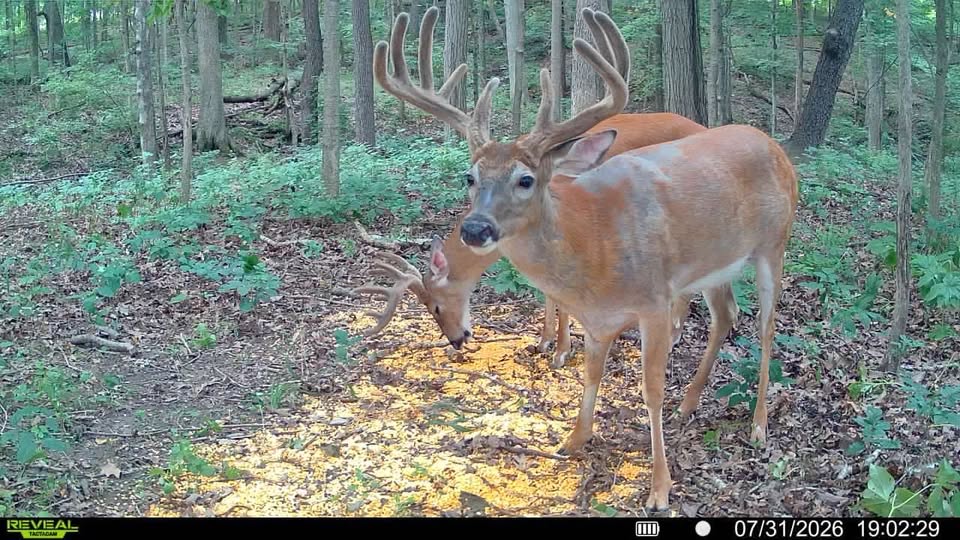
Even the most expensive trail camera won't produce useful information if it's placed in the wrong location.
Rather than simply strapping a camera to the nearest tree, think carefully about how deer are likely to approach.
Aim your camera slightly quartering toward the direction of travel whenever possible. This allows the camera more time to detect movement before the deer walks out of frame.
Avoid pointing cameras directly east or west if possible. Morning and evening sunlight can wash out photos or create false triggers.
Many experienced hunters prefer positioning cameras facing north whenever terrain allows. This minimizes glare and provides more consistent image quality throughout the day.
Camera height also matters.
Most hunters mount cameras between waist and chest height, but don't be afraid to adjust higher in areas with heavy human traffic. Mounting a camera eight to ten feet high and angling it downward can help reduce theft while still capturing excellent images.
Don't Educate the Deer You're Hunting
One of the biggest advantages of cellular trail cameras is that they allow you to stay out of your hunting property.
The less time you spend walking through bedding areas and travel routes, the more natural deer movement there will be.
When hanging or servicing cameras:
-
Wear rubber boots to reduce scent contamination.
-
Minimize the amount of time spent at each location.
-
Avoid touching surrounding vegetation whenever possible.
-
Enter and exit using routes that won't disturb bedding areas.
-
Service cameras during the middle of the day when deer are less likely to be nearby.
-
Combine multiple tasks into one trip to reduce the number of visits.
Every unnecessary trip into the woods leaves behind scent and increases the chances of alerting mature bucks. Cellular cameras help eliminate much of that pressure by allowing you to monitor activity from the comfort of your home.
Use Trail Camera Data to Build a Hunting Strategy
Trail cameras shouldn't just be used to admire big bucks. Their real value lies in helping you make informed hunting decisions.
As summer turns into early fall, pay close attention to:
-
Which bucks appear consistently during daylight.
-
The direction deer are traveling.
-
Wind conditions associated with daylight activity.
-
Entry and exit routes.
-
The time of day deer visit food or bait.
-
Whether bachelor groups are beginning to break apart.
-
New bucks showing up on the property.
Keeping notes throughout the summer can reveal patterns that aren't obvious when looking at individual photos.
As hunting season approaches, those patterns often become the foundation for deciding where to place stands, when to hunt certain winds, and which properties have the highest potential for success.
Remember, trail cameras provide information—not guarantees. Deer movement can change rapidly with weather, crop harvest, hunting pressure, and the onset of the rut. Continue adapting your strategy as new photos come in.
Let Rut Chasers Do the Summer Work for You
At Rut Chasers, LLC, we believe successful hunts begin long before opening day.
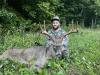
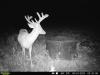
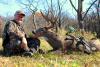
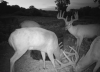
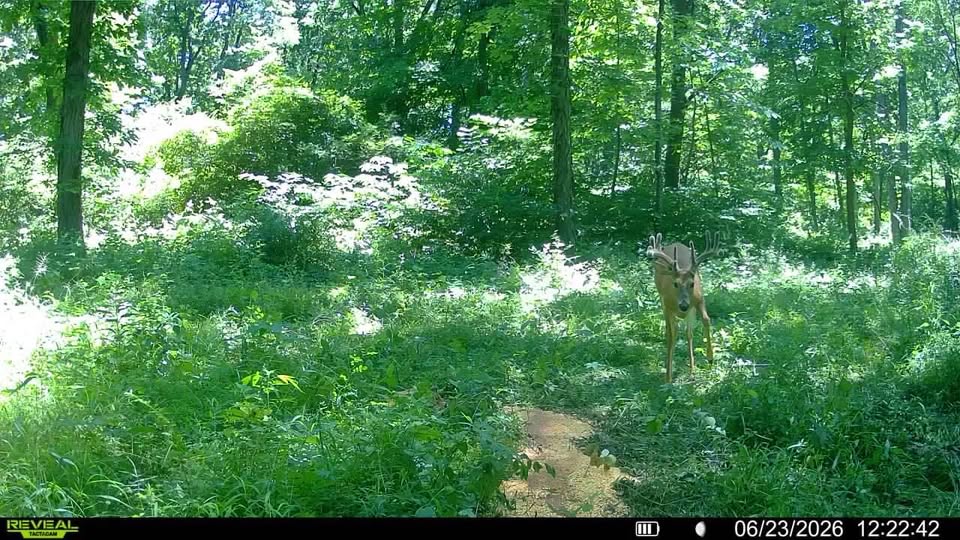
Throughout the summer, we're constantly preparing our Ohio hunting properties by hanging cellular trail cameras, maintaining legal bait sites, improving stand locations, trimming shooting lanes, and scouting new farms. Every photo we receive helps us better understand the deer using our properties and allows us to develop a game plan for our hunters. Check out a few samples of our trail cam photos in our gallery.
We trust Tactacam REVEAL cameras because they've consistently delivered reliable performance season after season, helping us monitor mature bucks while minimizing human intrusion. Combined with years of experience hunting Ohio whitetails, these cameras give us valuable insight into deer movement before our clients ever step into a tree stand.
If you've dreamed of hunting a mature Ohio buck, let us put in the preseason work for you. We spend countless hours during the summer managing our properties so that when you arrive, you can focus on what matters most—enjoying an unforgettable hunt and increasing your chances of harvesting the buck of a lifetime.
Book your next Ohio whitetail hunt with Rut Chasers, LLC today and experience the difference that year-round preparation, quality properties, and dedicated scouting can make. We work hard all summer, so your time in the stand is as productive and rewarding as possible.
Book your hunt with Rut Chasers, LLC today.
Get your deposit in. Lock in your week.
Don’t wait and risk missing out.
CALL: 419-543-3433