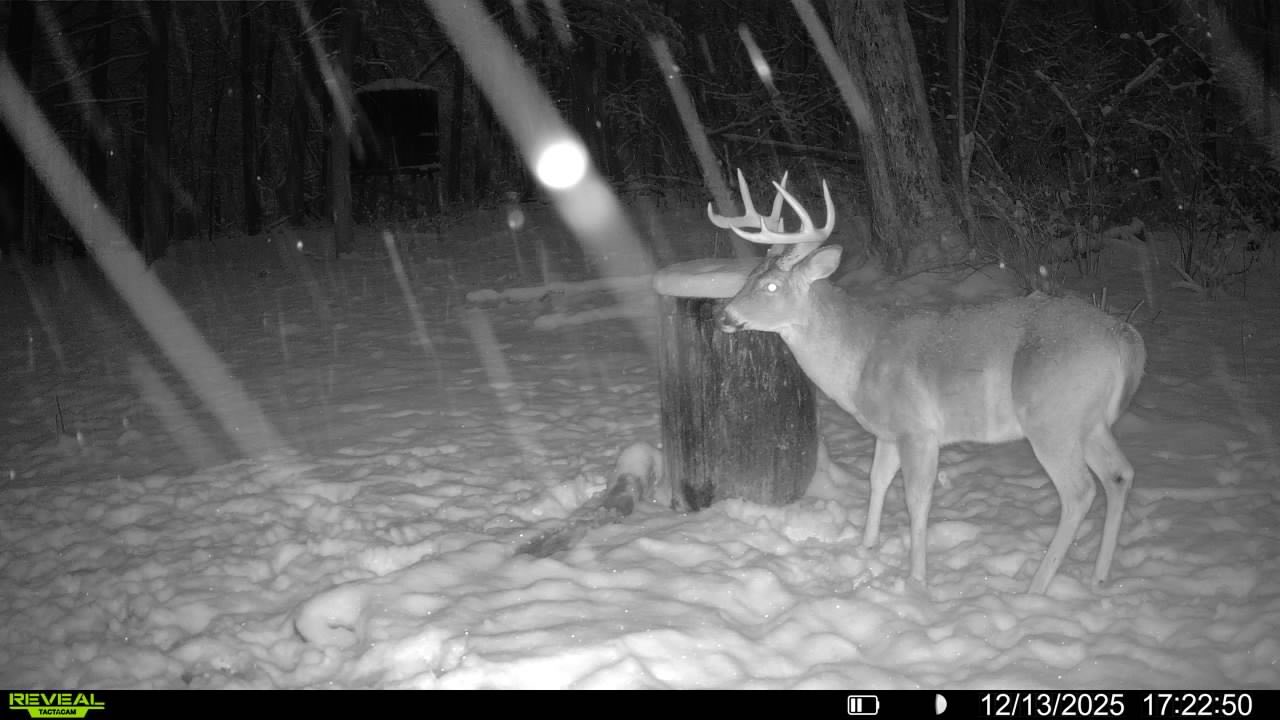
Cold Weather Pursuit and the Survival of Whitetail Deer
 Prev Post
Whitetail Deer in Ohio: Surviving and Herding Up Through the Heart of Winter
January in Ohio is a proving ground for whitetail deer and for the hunters who pursue them. The frenzy of the rut has long passed, crops are harvested, leaves are down, and the landscape has transformed into a wide-open world of bare timber, frozen fields, and biting winds. This is a time of survival above all else. Deer behavior shifts dramatically, and success in the woods requires patience, discipline, and an understanding of how whitetails adapt to winter conditions. One day you may see dozens of deer moving together; the next, the woods can feel eerily empty. Understanding why this happens—and how to hunt effectively during it—can make all the difference.
Winter Survival Mode: Energy Is Everything
By January, whitetail deer in Ohio are no longer thinking about breeding or territory. Their primary concern is conserving energy and staying alive. Food is harder to find, temperatures are colder, and pressure from months of hunting has made them far more cautious. Every movement a deer makes costs calories, and winter is not a time when calories are easily replaced.
This is why deer movement becomes far more patterned and limited. They travel from bedding to food and back again using the most efficient routes possible. Long, meandering daytime movement is replaced by short, purposeful trips. Hunters often mistake this reduction in movement for a lack of deer, when in reality, deer are simply moving less and doing so more carefully.
Herding Up: Strength in Numbers
One of the most noticeable changes in January is that whitetail deer begin to herd up. Throughout the fall, especially during the rut, deer are scattered across the landscape. Bucks are roaming, does are spread out, and competition dominates behavior. Once winter sets in, that all changes.
Herding up provides several survival advantages. First, it increases vigilance. With more eyes, ears, and noses alert to danger, deer are more likely to detect predators or human intrusion. Second, it conserves energy. Deer bed together to share warmth, reducing the amount of energy each individual must expend to stay warm. Third, herds often focus around the best remaining food sources, making travel more predictable.
This is why you may experience extremes when hunting in January. One day, you might see 20, 30, or even 40 deer pouring out into a food source. The next day, you may sit at the same location and see nothing at all. The deer haven’t disappeared—they’ve simply shifted bedding areas, feeding times, or travel routes based on pressure, weather, or available food.
Feast or Famine: Why Deer Appear and Disappear
January hunting in Ohio often feels like a feast-or-famine scenario. Snow cover, cold fronts, wind direction, and hunting pressure all influence deer movement. A bitter cold snap may push deer to feed heavily during daylight hours, while a stretch of mild weather can make them nocturnal almost overnight.
Pressure plays a massive role. By this point in the season, deer have been hunted for months. They associate danger with ground scent, vehicle noise, doors slamming, and human movement. If a group of deer gets bumped from a food source or bedding area, they may abandon it for days—or longer. That’s why patience is essential. Success often comes to the hunter who waits out these shifts rather than constantly moving from spot to spot.
Early Antler Shedding: Handle with Care
Although January is still early, some bucks may begin shedding their antlers. Antler drop varies widely based on age, genetics, health, and stress levels. In harsh winters or areas with heavy pressure, bucks can shed earlier than expected.
This is an important detail for hunters to keep in mind after the shot. If you harvest a buck during this time of year, be extremely careful when handling it. Avoid dragging the deer by the antlers. Antlers that appear solid can pop off unexpectedly, especially if the pedicles have already weakened. Losing an antler during recovery or transport can be disappointing and completely avoidable.
Instead, drag deer using a rope, sled, or by gripping the body. Taking this extra precaution preserves your trophy and avoids unnecessary frustration.
Thick Winter Coats and Hollow Hair
One of the most fascinating adaptations whitetail deer have for winter survival is their coat. By January, Ohio deer are wearing their thickest winter fur. This coat isn’t just longer—it’s structurally different.
Deer hair is hollow, which traps air and creates exceptional insulation. This natural design helps deer endure bitter cold, wind, and snow while conserving energy. You’ll often notice deer bedding in exposed areas during sunny winter days, soaking up solar warmth while their hollow hair keeps body heat locked in.
This thicker coat can also affect shot placement visuals. Deer may appear bulkier or larger than they did earlier in the season. Hunters must stay disciplined and focus on anatomical landmarks rather than fur outlines when preparing for a shot.
On Edge: Heightened Awareness in Winter
If there’s one defining trait of January whitetails, it’s caution. These deer are survivors. They’ve made it through archery season, gun season, and weeks of pressure. As a result, they are far more sensitive to movement and sound.
With leaves gone and underbrush thinned, sound travels farther. A single crunch of frozen leaves can alert deer hundreds of yards away. Movement inside a blind that might have gone unnoticed in October can now end a hunt instantly.
This heightened awareness means hunters must be ready at all times. Deer often appear suddenly and linger briefly. There may be only a tiny window of opportunity before they pick up on something that feels wrong.
The Importance of a Ready Position
During winter hunts, being in a ready position is critical. Whether you’re hunting with a firearm or a bow, preparation matters. Inside a deer blind, keep movements slow and deliberate. Only a small shooting window should be open—just enough to take a clean, ethical shot. Use a bog pod so your crossbow is in a ready position, pointed at the bait. The worst thing you can do is have your crossbow lying on the ground in the blind until the moment arrives. It will cost you a buck eventually — possibly the buck of a lifetime! Especially the last couple of hours of the hunt, I like to be ready in a way that all I have to do is put my cheek on the stock of the crossbow and flip the safety. Have your range finder around your neck in case the deer steps into spot that you are unsure of the range. However you should have trees and areas ranged and memorized before your buck shows up so that you can possibly avoid this step. It says time and movement when it really counts.
Large open windows let in light and movement, and let out scent and sound, all of which can hurt your hunt. Deer notice unnatural shapes and silhouettes far more easily this time of year. Keeping windows minimal helps conceal movement and maintain the element of surprise.
When deer are on edge, hesitation can cost you the opportunity. Being ready before deer appear is often the difference between filling a tag and watching a flag disappear into the timber.
Less Cover, More Challenges
Winter strips the woods bare. What once provided excellent concealment—tall grasses, leafy branches, thick understory—is now gone. Everything is wide open, and both deer and hunters are fully exposed.
For deer, this means they rely even more heavily on their senses. For hunters, it means access routes and setup matter more than ever. Walking carelessly to a blind can blow deer out of the area long before legal shooting light.
Always take extra time when approaching your blind. Move slowly. Avoid skylining yourself on ridges. Use terrain features like ditches, creek bottoms, and timber edges to stay concealed. Entering quietly and cautiously is essential, especially when deer may be bedded closer than you expect.
Bedding Near Food: A Winter Survival Strategy
As winter deepens, deer often bed closer to food sources as a means of survival. Minimizing travel reduces calorie burn and exposure to danger. In some cases, deer may be bedding surprisingly close to bait sites or primary food areas.
This makes stealth even more critical. A careless approach can push deer out before you ever settle in. It also means deer may rise from their beds earlier or later than expected, offering brief but valuable shooting opportunities.
Hunters who understand this behavior and adjust accordingly are far more likely to succeed during the winter months.
Patience Pays of Late Season
Above all else, January hunting in Ohio demands patience. Long sits with little activity are common. Cold fingers, stiff legs, and quiet woods can test even the most dedicated hunters. But patience is often rewarded.
The deer that remain are cautious but predictable and eager to hit the baits. They have patterns rooted in survival, and once those patterns are understood, opportunities arise. Success may not come quickly, but it often comes to those willing to endure the elements and trust their setup.
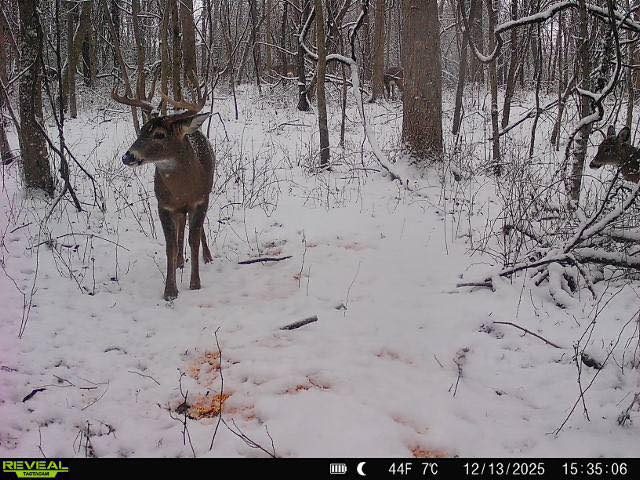
Experience the Winter Woods with Rut Chasers, LLC
If you’re looking to experience the challenge and reward of winter whitetail hunting in Ohio, consider booking your hunt with Rut Chasers, LLC. Their knowledge of deer behavior, winter patterns, and Ohio terrain can put you in the best possible position for success during the toughest time of year.
January hunting isn’t easy—but that’s what makes it special. The woods are quiet, the stakes are high, and every deer encountered is a testament to survival. With patience, preparation, and respect for the animal, winter whitetail hunting can be one of the most memorable experiences the season has to offer.
Book your hunt now and secure your chance at an Ohio giant.
Get Ohio Deer Hunt Package and Pricing Info:
Opening Week Hunts Pre-Rut Hunts Rut Hunts Post-Rut Hunts Gun Hunts Gun/Bow Combo Hunts Muzzleloader Hunts Late Season Hunts

Book your hunt with Rut Chasers, LLC today.
Get your deposit in. Lock in your week.
Don’t wait and risk missing out.
CALL: 419-543-3433