Baited Deer Hunting in Ohio During the Pre-Rut and Rut
 Prev Post
Semi-Guided Baited Deer Hunting in Ohio During the Pre-Rut and Rut
An In-Depth Look at Late October Through Mid-November with Rut Chasers, LLC
When October fades and November arrives, the Ohio woods come alive. The crisp mornings, the musky scent of fallen leaves, and the electric tension in the air signal one thing: the rut is on its way. This is the time when deer movement skyrockets, bucks lose their caution, and every hunter’s pulse quickens. For those who’ve been waiting all year, late October through mid-November marks the pinnacle of the season—especially when you’re hunting with Rut Chasers, LLC.
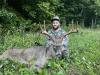
Semi-guided, baited deer hunts during the pre-rut and rut phases offer an experience unlike any other. It’s a blend of strategy, patience, and raw excitement. You’re not just hunting over bait—you’re hunting within the chaos of the most unpredictable, action-packed weeks of the year. Bucks are roaming, fighting, breeding, and searching. Some are new to the area, others are old ghosts returning to familiar ground. One thing’s certain: if you stay alert and hunt hard, this is your best shot at tagging a mature Ohio giant.
Let’s dive into what makes this period so special, what hunters can expect, and how to maximize your chances on your Rut Chasers semi-guided hunt.
The Pre-Rut: The Calm Before the Storm
By the last week of October, the pre-rut is in full swing. Bucks are shedding their summer velvet behavior and becoming increasingly territorial. Testosterone levels are climbing, sparking the urge to spar, mark territory, and begin checking on does. You’ll start noticing rub lines appearing overnight, scrapes littering field edges and logging roads, and more daylight movement from bucks that had gone nocturnal weeks earlier.
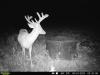
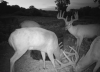
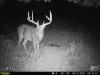
If you're watching the trail camera, you’ll see the first big behavioral shifts now. Some deer that were consistent on the cameras may temporarily vanish, while others—new faces—suddenly appear. This happens because bucks are expanding their ranges. They’re starting to cover more ground, testing the boundaries of nearby territories, and scouting areas that hold good doe populations.
You might be surprised to see bucks that you haven’t had on camera in months suddenly reappear. Sometimes it’s a familiar 8-point that disappeared after velvet shedding. Other times, it’s a heavy, thick-necked stranger who just moved in to challenge the local dominant buck.
This surge in movement is what makes baited setups during the pre-rut so dynamic. Bucks are less interested in eating but very interested in who’s been eating (the does). They’re checking bait sites for scent—specifically, the scent of does. When the first doe starts coming into estrus, your bait piles become scent hubs, drawing in every nearby buck looking for signs of breeding activity.
At Rut Chasers, LLC, we take advantage of this by maintaining fresh bait sites and analyzing terrain and wind to position stands where deer naturally travel. The bait is there to attract does and provide a focal point, but your shot opportunities often come on the approach, not at the bait itself.
The Rut: When Everything Changes
By early November, the woods explode with activity. The rut—the main breeding phase—is officially on, and it changes everything.
Bucks are no longer predictable. Their world revolves around finding that next hot doe, and they’ll travel miles across unfamiliar terrain to do it. Bait piles still draw in deer, but bucks now use them primarily as scent-check stations rather than feeding areas. They swing through, nose in the air, trying to pick up the scent of does that have been feeding there.
This is the most exciting—and most demanding—time to be in the woods. You might go hours without seeing a single deer, and then, without warning, a thick-racked monster appears out of nowhere, nose down, on a mission.
This is why staying alert is critical. Bucks during the rut move unpredictably, often covering vast distances in a single day. They could come from any direction, at any time. That’s also why your cellphone can be your biggest enemy in the stand. Scrolling or checking trail cam updates might seem harmless—until that buck of a lifetime slips through your shooting lane and vanishes while your eyes are elsewhere.
At Rut Chasers, we’ve seen it happen countless times. Hunters look away for a moment, only to catch the flicker of a tail or the flash of antlers too late. The lesson is simple: stay ready. When that opportunity comes, it’ll happen fast.
And don’t assume the buck will stop to feed. During the rut, many bucks won’t pause at all. They may trot past your bait site, circle downwind, or pause for a split second to check the air. That’s your chance—be ready to draw, shoulder your weapon, and take advantage of the fleeting window.
Territorial Takeovers and the Return of Old Ghosts
One of the most fascinating parts of hunting the pre-rut and rut is watching territory shifts play out. Bucks are constantly testing boundaries, fighting, and posturing for dominance. Mature bucks that have been ruling an area since summer suddenly find challengers at their doorstep.
This upheaval is what brings new deer to your baits. Young up-and-comers move in, confident and curious, while dominant outsiders push into foreign ground to find does. At the same time, bucks that vanished months ago sometimes return to reclaim their home turf. You might go from seeing the same two 8-points all October to having four or five mature bucks show up within a week.
This is why it’s crucial not to get too focused on a single target buck. During the rut, everything is in motion. The deer you’ve been chasing all season might disappear for a week, only to show up again unexpectedly—or he might get replaced by an even bigger buck cruising through.
Trail cameras are great tools, but during the rut, don’t let them dictate your expectations. Just because a buck hasn’t shown in daylight doesn’t mean he’s not around. Many times, the biggest deer are circling the property, scent-checking from downwind, or slipping through midday when hunters least expect it.
Hunting Strategy: Adaptability is Everything
At Rut Chasers, LLC, our semi-guided hunts are designed to give you both independence and support. We provide well-maintained bait sites and pre-scouted stand locations—but ultimately, you make the critical decisions in the field. That’s what makes it such a rewarding experience.
Here’s how to make the most of your semi-guided rut hunt:
1. Treestand Hunting is King
During this phase, we utilize blinds and stands, but start to rely more on treestands than in the early season. Elevated setups allow you to stay hidden from wary bucks while providing better visibility over bait sites, funnels, and travel routes. Treestands are especially effective on properties with mixed terrain—rolling hills, creek bottoms, and thick bedding cover. Bucks tend to use these natural features to move between does, and setting up above them gives you the perfect ambush advantage.
If your bait site sits near a travel corridor, position your stand off the bait, ideally 20 to 30 yards downwind. That way, you’re in range when a buck circles to scent-check before committing.
2. Use the Wind to Your Advantage
Even in the chaos of the rut, mature bucks still use their noses religiously. Always hunt the wind correctly. We’ll help you plan stand access routes and setups based on wind direction each day. Enter quietly, stay scent-free, and never blow your scent into bedding or travel areas.
3. Stay All Day
This cannot be overstated: during the rut, deer move all day long. Midday movement is real—and often when the biggest bucks are on their feet. While other hunters head back to camp for lunch, stay in your stand. Pack snacks, layer your clothing, and stay comfortable. The hunter who stays committed all day often ends up with the best opportunities.
4. Expect the Unexpected
The rut defies patterns. You may sit all morning with no action and suddenly have a bruiser appear at 1 p.m. chasing a doe or cutting across a ridge. That’s why patience and mental toughness are key. Every minute in the woods increases your odds.
Baiting Strategy During the Rut
Though bucks aren’t primarily focused on feeding, bait remains a vital part of our semi-guided setup. It draws in does, keeps deer in the area, and provides a scent hub for cruising bucks to check.
Here’s how we tailor baiting strategy during the pre-rut and rut:
-
Keep it Fresh: We maintain active bait sites to ensure consistent doe traffic. Does are the anchor; bucks will follow them.
-
Add Scent Attractants: During the rut, adding doe-in-estrus scents near bait sites or along approach trails can create the illusion of a receptive doe, pulling in nearby bucks.
-
Position for Movement: Don’t set up expecting the deer to stand over the bait. Most bucks will pass by or circle downwind. Set your stand where you can intercept them.
-
Stay Invisible: Enter quietly, minimize scent, and avoid touching brush or trees near your setup. Bucks during the rut may not tolerate human intrusion for long.
Bait sites act as a communication hub—not a buffet. The real value is in how deer use them for social and scent purposes, especially as testosterone peaks.
The Mental Game: Focus is Your Greatest Weapon
One of the biggest challenges hunters face during the rut isn’t physical—it’s mental. Sitting long hours in a stand requires patience and focus, but staying alert can be difficult when the action slows.
Distractions like cellphones are every hunter’s downfall. You scroll for five seconds, and suddenly, that massive 10-point you’ve been dreaming about appears, already slipping through the brush. It happens faster than you think.
The rut rewards awareness. Every rustle of leaves, every squirrel’s chatter could be the prelude to a buck cruising by. Keep your eyes scanning, your weapon ready, and your mind engaged.
Remember: during this stretch, anything can happen at any moment. One second, the woods are silent. Next, a 160-class buck is standing broadside at 40 yards.
Don’t Chase Photos—Chase Opportunity
It’s easy to get caught up in trail camera pictures, hoping to pattern a specific buck. But during late October through mid-November, that mindset can limit your success. Big bucks often move outside their normal ranges, especially when chasing hot does.
Just because you don’t have a daylight photo doesn’t mean your target isn’t nearby—or that another monster won’t stroll through. Bucks run circles around the area, checking doe groups and testing the air for estrus scent. The deer you shoot during this window might be one you’ve never seen before.
That’s the beauty of hunting the rut—you never truly know what’s coming next.
The All-Day Grind: Where Success Lives
At Rut Chasers, we encourage every hunter to commit to the grind. Hunt hard and hunt all day. The rut is short, intense, and fleeting. Every hour you’re in the woods is an opportunity for a big buck to make a mistake.
The weather might shift, your body might ache, but persistence pays off. Those who stay in their stands, who fight the urge to check out early, often end up with the biggest rewards.
When that chance comes—when that wide-racked Ohio bruiser finally steps into view—you’ll be ready.
Leaving It to the Bucks
In the end, no matter how prepared you are, deer hunting during the rut always carries an element of unpredictability. That’s what makes it so thrilling. You can do everything right—play the wind, stay still, remain alert—and still rely on that one critical mistake from a lovestruck buck.
Our job at Rut Chasers, LLC is to put you in the best possible position for that moment. We’ll provide the bait sites, the intel, and the strategy—but when the time comes, it’s you versus the wild.
That’s what semi-guided hunting is all about: the perfect blend of guidance and independence, preparation and instinct.
Conclusion: The Hunt of a Lifetime
Hunting Ohio during the pre-rut and rut is one of the most exhilarating experiences in the whitetail world. From late October through mid-November, the woods become a living, breathing drama of dominance and desire. Bucks are on their feet, territories shift by the hour, and the chance at a true trophy becomes very real.
At Rut Chasers, LLC, we live for this season. We know these deer, these woods, and these moments. Our semi-guided baited hunts put you in the heart of the action—where new bucks show up daily, old ghosts reappear, and every sit could be the one that changes your season forever.
So come prepared. Hunt hard. Stay alert. Leave the scrolling for later. Because in these woods, in this brief, thrilling window of the rut, a Booner could stroll through at any moment—and when he does, you’ll want to be ready.
Hunt hard. Stay focused. And experience the rush of the Ohio rut with Rut Chasers, LLC.

Book Your Ohio Deer Hunt:
Email or Contact us today at 419-543-3433