Early Deer Hunting Season Tick Prevention
 Prev Post
It doesn’t matter if you’re hunting in Ohio or any other state; there is one thing you need to keep in mind if you’re headed into the woods before season or for an early season deer hunt – Protection from ticks.
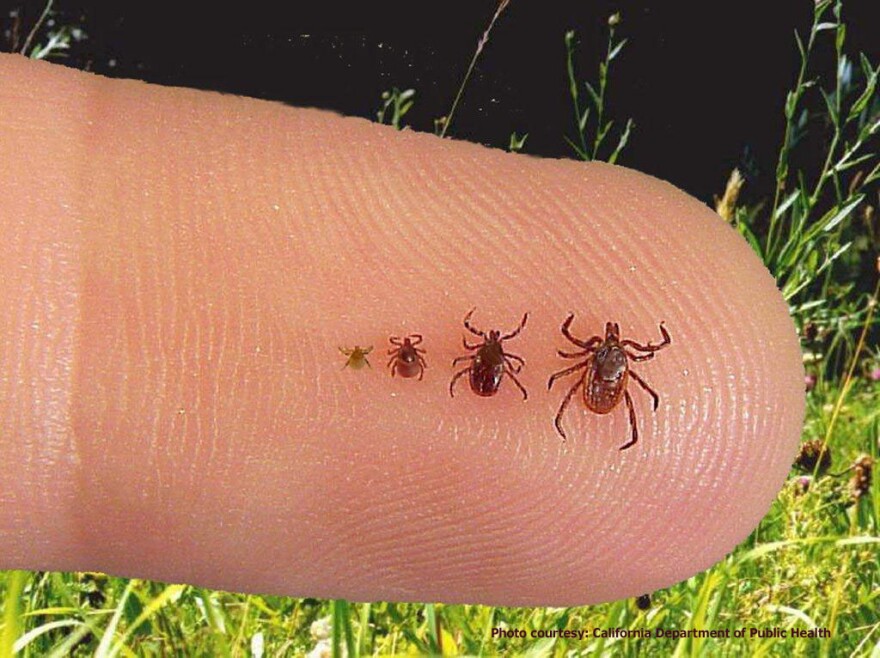
Hunting season often arrives hand-in-hand with the most active period for ticks — spring, summer, and early fall. Early-season deer hunting can be productive, but it also comes with things to look out for. One of the most underestimated threats to hunters is the tick. Small, almost invisible at times, ticks can cause significant health problems, including Lyme disease, anaplasmosis, ehrlichiosis, and Rocky Mountain spotted fever.
When you’re in the woods setting up treestands, brushing in ground blinds, or scouting trails, you’re usually pushing through tall grass, dense brush, and edge habitats — exactly where ticks are waiting. That’s why you should protect yourself before and during your hunt.
The Early Season Tick Challenge
Ticks thrive in warm, humid environments. In the early season, foliage is still thick, and temperatures often range from the high 60s to the 80s in the Midwestern states. This climate allows ticks to stay active well into the fall, especially deer ticks and lone star ticks, both of which are known to carry diseases.
Hunters are at higher risk because:
- We enter prime tick habitats — grasslands, field edges, creek bottoms, and timber transitions.
- We move slowly and stay still — making it easier for ticks to latch on.
- Extended periods of time to be in the woods – setting up, scouting, and then hunting.
When you combine these factors, it’s easy to see why you need to look out for ticks in the preseason and early deer season.
Setting Up Treestands and Blinds Safely
Obviously, when you hunt in Ohio with Rut Chasers, LLC, you are not setting up treestands and blinds. That’s one of the many advantages of a guided hunt. We do all that for you! So you are not exposed to those situations unless you are deer hunting early season.
However, you need to consider it when you are in the woods in your home state, on your own property. Early season prep work puts you in direct contact with tick-heavy areas. Whether you’re hanging a lock-on stand, climbing sticks, or setting a ladder stand, your focus is often on safety from falls — which is crucial — but you also need to think about the critters you can’t see.
Tips for Tick Safety During Setup:
- Wear treated clothing: If you have Sitka Equinox Guard gear or other insect-repellent apparel, wear it from head to toe. Verify whether it is recommended to spray the already protective clothing with permethrin. Some garments that have permethrin built in may not be recommended for spraying with permethrin spray. Always check.
- Spray before you go: Use permethrin on all other clothing (especially socks, pant cuffs, and waistlines). Permethrin bonds to fabric and remains effective even after several washes.
- Wear skin-safe repellents: Various products are available for direct skin application to protect against ticks, mosquitoes, and other insects.
- Tuck and seal: Tuck pants into boots and shirts into pants to limit access points.
- Avoid leaning into brush: When possible, clear shooting lanes and walkways with a pole saw instead of pushing through vegetation.
Scouting Early Season Without Becoming Tick Bait
Early season scouting is critical for patterning deer before they transition to fall feeding areas. But it’s also when tick exposure can be at its highest.
When glassing fields from a distance, ticks aren’t much of a problem. But when you’re checking trail cameras, following fresh sign, or walking creek bottoms, you’re in the tick territory.
Low-Exposure Scouting Tips:
- Stick to established trails — Both deer trails and human walking paths are better than busting brush.
- Scout in cooler hours — Ticks are less active in early morning and late evening.
- Use gaiters or leg wraps — Even lightweight gaiters can help keep ticks from crawling up your legs.
- Check yourself often — Especially after sitting in leaf litter or kneeling on the ground.
Why Permethrin Should Be in Every Hunter’s Gear Bag
If you’ve never used permethrin spray before, you’re missing one of the most effective tick deterrents available. Unlike DEET, which is applied to skin, permethrin is applied to clothing and gear only. It actually kills ticks on contact, not just repels them.
How to Apply Permethrin:
- Do it outdoors in a well-ventilated area.
- Spray on boots, pants, shirts, hats, and even your treestand safety harness.
- Let clothing fully dry before wearing.
- Reapply every 6 weeks or after 5–6 washes or as directed on the bottle.
Many hunters swear by pre-treating an entire set of hunting clothes in late August, just before early archery season kicks in.
Sitka Equinox Guard: Built for Tick Defense and Comfort
For deer and turkey hunters who want built-in protection, the Sitka Equinox Guard Collection is designed specifically for early season and insect-heavy environments.
Key Features:
- Insect Shield® Technology — Treated to repel ticks, mosquitoes, and other biting insects.
- Cooling fabric — Lightweight, breathable, and engineered for hot, humid days.
- Polygiene® Odor Control — Reduces bacterial growth that causes scent, keeping you fresher and less detectable to deer.
- Ergonomic design — Tailored fit for bowhunting mobility without excess bulk.
- Durability — Built for rugged field use while maintaining comfort.
- The legs on these garments feature a tuck area for socks, preventing ticks from crawling onto your skin through your pant legs.
If you’re deer hunting in September or early October, when temperatures can still push into the 70s or 80s, the Equinox Guard line offers the rare combination of tick protection, scent management, and cooling comfort.
Tick-Borne Diseases Every Hunter Should Know
Ticks can transmit a range of diseases, and hunters should be aware of the most common:
- Lyme Disease — Caused by Borrelia burgdorferi, carried mainly by black-legged ticks. Symptoms: rash, fever, fatigue, joint pain.
- Anaplasmosis — Fever, chills, severe headaches, muscle aches.
- Ehrlichiosis — Fatigue, muscle aches, rash.
- Rocky Mountain Spotted Fever — Severe fever, rash, potentially fatal if untreated.
Early detection is key — most diseases can be treated effectively if caught within the first few days. If you feel flu-like symptoms within 2–3 weeks after hunting, especially if you notice a tick bite, seek medical attention immediately.
Post-Hunt Tick Checks: The Habit That Can Save Your Season
No matter how careful you are, ticks can still find their way onto your body. A thorough tick check should be part of your post-hunt routine.
Best Practices:
- Check as soon as possible — ideally before getting into your truck.
- Focus on hidden areas — behind knees, waistline, groin, underarms, scalp.
- Shower within two hours — it helps wash off any crawling ticks that may not yet be attached.
- Use a mirror or partner — ticks often choose hard-to-see spots.
If you find a tick attached:
- Use fine-tipped tweezers to grasp it close to the skin.
- Pull upward steadily without twisting.
- Clean the area with soap and water or rubbing alcohol.
- Monitor for symptoms.
Early Season Hunting
Early archery season often opens in late September/October in most states. This timing overlaps with high tick activity, especially in wooded edges, CRP fields, and brushy draws. Deer activity is high during this period, but so is insect activity.
In addition to personal protection:
- Trim stand access trails before the season to reduce brush contact.
- Use insect-repellent clothing every trip, even for short periods afield.
- Scout from the edges when possible to minimize exposure.
Many hunters have started adopting a “layered” approach — permethrin-treated boots and pants, tick-repellent outerwear like the Sitka Equinox Guard, and post-hunt checks.
Layering Tick Prevention into Your Hunt Plan
Just as you layer clothing for warmth in late season, you can layer protection in early season:
- Base layer — Lightweight moisture-wicking shirt and pants treated with permethrin.
- Outer layer — Equinox Guard or similar insect-repelling apparel.
- Boot barrier — Treated socks, pants tucked in, and gaiters for extra defense.
- Skin protection — Apply DEET-based repellent on exposed skin, like wrists and neck.
- Routine checks — Before, during, and after each hunt.
Conclusion
Ticks may be small, but they can derail an entire hunting season — or worse, your health — if you don’t take them seriously. Whether you’re hanging stands, brushing in blinds, or looking forward to that early-season buck, preparation is your best defense.
The combination of permethrin-treated clothing, purpose-built early-season gear like Sitka’s Equinox Guard, and diligent tick checks will greatly reduce your risk. Remember, a safe hunter is a successful hunter, and protecting yourself from ticks is just as important as everything else you do to prepare yourself for the season.
Whether you are setting up your own spots on your own property or doing an early-season guided hunt, don’t just prepare for the deer — prepare for the ticks. Your future self will thank you.

Book Your Ohio Deer Hunt:
Email or Call us today at 419-543-3433