Choosing the Right Broadhead for Ohio Archery Season
 Prev Post
Ohio’s archery season offers months of opportunity for whitetail hunters, but success depends on more than scouting and stand placement. Your broadhead choice can sometimes play a role in whether a hit results in a short recovery or a lost deer. Picking the right one isn’t as simple as buying the most expensive or the one with the biggest cutting diameter.
In this guide, we’ll break down fixed vs. mechanical broadheads, discuss how your setup and hunting style affect the choice, cover crossbow-specific advice, and share wisdom from experienced outfitters and dog trackers who’ve seen hundreds of recoveries (and non-recoveries). We’ll also remind you to check Ohio’s latest hunting regulations before heading into the field.
Fixed-Blade Broadheads
What They Are
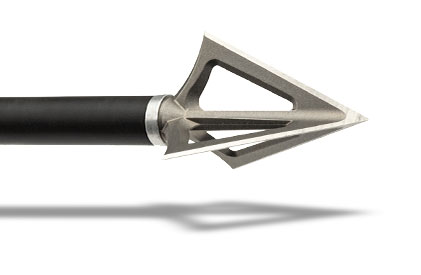
Fixed broadheads have blades that are permanently exposed—either as a solid, one-piece head or with replaceable blades. Designs range from 2-blade cut-on-contact styles to 3- and 4-blade vented or solid designs.
Advantages
- Reliability: With no moving parts, there’s almost nothing to fail. A properly sharpened fixed head will cut on contact every time.
- Durability: Many fixed heads handle bone impacts well and stay intact. Some can be resharpened and reused for years.
- Penetration on tough shots: Particularly with cut-on-contact designs and smaller cutting diameters, fixed heads often push through hide, meat, and even heavy bone better than wide mechanicals.
- Regulation-friendly: Legal in every U.S. state for big game hunting.
Disadvantages
- More tuning required: Fixed blades present more surface area in flight, which can cause planing. This means any imperfections in bow tune, arrow spine, or broadhead alignment can push shots off target.
- Point of Impact differences from field tips: If you practice with field tips, you’ll almost always need to re-sight your bow when switching to fixed blades.
- Less forgiving on high-speed setups: At 350+ fps—common in modern crossbows—fixed heads can fly erratically. If you insist on using or trying fixed broadheads in a high speed crossbow, we recommend shooting quite a few times over a span of a few days to make sure you don’t get flyers. I have personally tried it and I could shoot several times and it would be good and then all of the sudden on the next shot it might be 8-12 inches high or to the left. We recommend staying away from fixed broadheads in any crossbow that shoots over 350 feet per second.
Mechanical (Expandable) Broadheads
What They Are
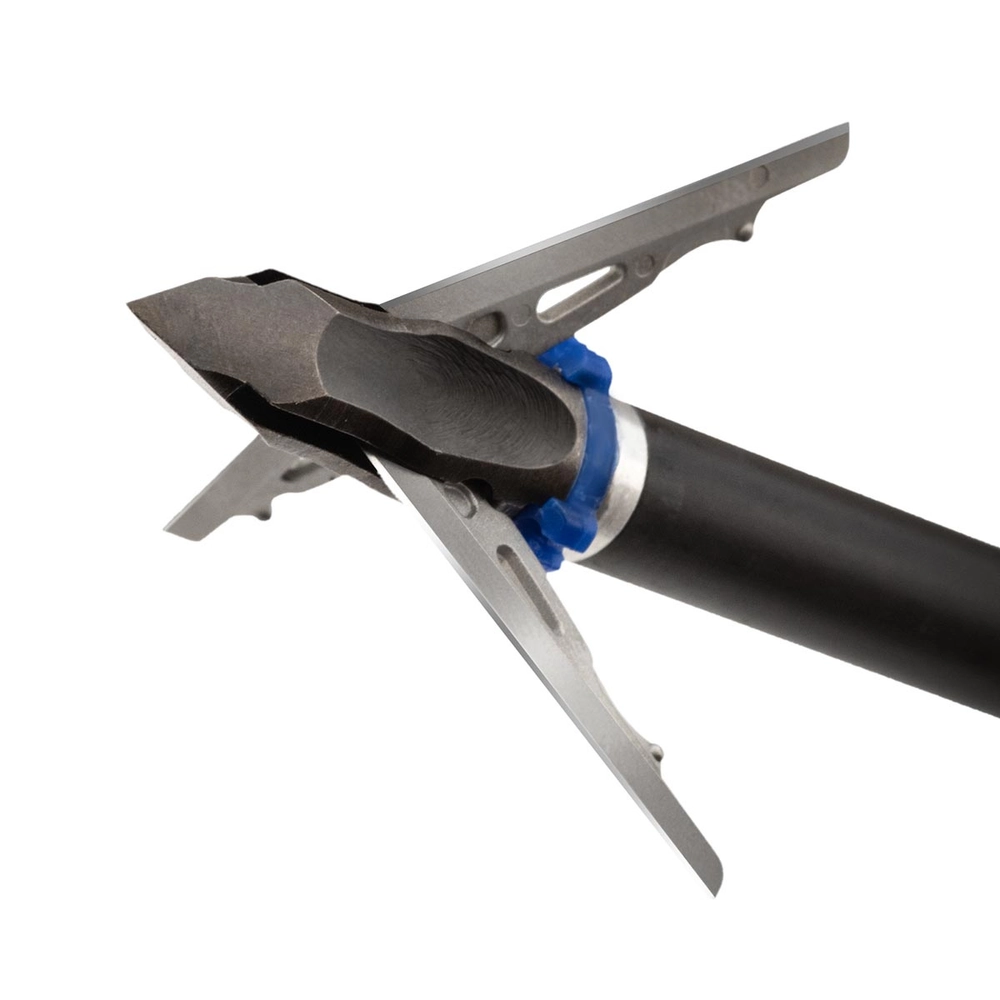
Mechanical heads fly with their blades folded or tucked in, deploying upon impact to create a larger wound channel. Deployment styles include rear-deploy, front-deploy, and hybrid designs.
Advantages
- Field-tip-like flight: Because the blades are closed during flight, mechanicals generally have less surface area to steer the arrow, making them fly similarly to field points.
- No need to re-sight in most cases: You can usually switch from field tips to mechanicals without changing your pins or sight, though it’s still smart to shoot a practice head before hunting.
- Wide cutting diameters: Many mechanicals open to 1.75″–2.5″, creating devastating wound channels and heavy blood trails on well-placed broadside shots.
- High-speed friendly: They tend to group better from fast bows and crossbows than fixed blades.
Disadvantages
- Moving parts can fail: Blades might not deploy if they hit at a bad angle, encounter heavy bone, or clog with debris.
- Penetration loss: Large cutting diameters consume more energy, which can reduce penetration on steep angles or through heavy bone.
- Not legal everywhere: A few states still prohibit mechanicals.
Brands Worth Considering
While personal preference matters, these broadheads have strong reputations among Ohio whitetail hunters:
Fixed-Blade Examples
- G5 Montec & Montec M3: One-piece, resharpenable, and simple to use.
- Slick Trick Magnum & ViperTrick: Compact with replaceable blades; known for accuracy.
- QAD Exodus: Short, swept-back blades for good flight.
- Iron Will S Series: Premium steel, excellent edge retention.
- Magnus Stinger & Black Hornet: Cut-on-contact with a lifetime replacement guarantee.
- Muzzy: A long-time trusty broadhead with replaceable blades and one of the most affordable options out there for fixed broadheads.
Mechanical Examples
- G5 Deadmeat: All-steel ferrule, replaceable blades.
- Grim Reaper Pro Series: Good mix of durability and wide cuts.
- NAP Spitfire: Proven over decades, solid reliability.
- SEVR 1.5, 1.75, 2.0: Blades pivot to deflect around bone; great for practice mode.
- Rage Hypodermic NC & Trypan: Popular for large cuts and consistent deployment.
Broadhead Opinions
Regardless of what anyone says, make sure you do your own homework. That said, make sure you read plenty of reviews (good and bad) about each broadhead you’re interested in. I personally have used Grim Reaper broadheads and had great success, while another person I know has had issues several times with the blades not deploying. Several of the dog trackers I have talked to highly recommend the G5 Deadmeat. When discussing the Rage broadhead, people would say things like, "There were times when we felt like the Rage was the only reason they got the deer on a marginal shot, but there were other times they would say the Rage cost them the deer." Basically, they felt virtually any other broadhead would have worked better. You will hear all kinds of stories, and sometimes you have to trust what has worked for you or your friends. Don’t chase the latest and greatest broadhead for your upcoming Ohio Deer hunt. Stick with what works for you and others you know!
High-Speed Crossbows: Why Mechanical Broadheads Often Win
If your crossbow is shooting 350 fps or faster, you’ll likely find mechanicals easier to tune and more accurate than fixed heads. That’s because exposed fixed blades can act like wings at high speeds, magnifying small imperfections in arrow flight.
Hunters using high-speed crossbows often report tighter groups with mechanicals designed for crossbow speeds (look for “crossbow” or a speed rating on the package). If you do want to use fixed heads at these speeds, choose compact, low-profile models and be prepared for extensive tuning.
Sight-In and Practice Tips
If You’re Using Fixed Broadheads
- Always re-sight before hunting if you’ve been practicing with field tips.
- Use your actual hunting heads or manufacturer-supplied practice heads.
- Paper-tune, walk-back tune, and micro-adjust your rest until broadheads and field tips hit the same spot.
- Broadhead-tune first, then finalize your sight pins to the broadhead’s POI.
If You’re Using Mechanical Broadheads
- Most will shoot to the same POI as field tips, but you should still confirm with a practice head.
- Check packaging for speed ratings—especially for crossbows.
- Ensure your nocks are indexed correctly if shooting a crossbow.
Reliability Over Cutting Diameter
Many hunters get tempted by the biggest numbers on the package—2.5″ cutting diameters, giant bleeder blades, radical designs—but bigger isn’t always better.
A huge cut won’t matter if the broadhead fails to penetrate deeply enough to hit vital organs. Sometimes, smaller-cut broadheads actually kill faster because they penetrate completely, creating both an entry and exit wound for a better blood trail.
The most important factor: A reliable broadhead that performs even if you hit bone. That means sharp, durable blades, a strong ferrule, and proven performance on less-than-perfect hits.
Why Asking an Outfitter or Dog Tracker Is Smart
Hunting Outfitters see many deer shot each season and have been on countless tracks. They know which broadheads consistently get a pass-through and which fail more often.
Dog trackers—those who bring in trained tracking dogs to recover wounded deer—see the aftermath of both good and bad shots with all types of broadheads. They’ll tell you bluntly which models tend to fail to penetrate, fail to open, or leave poor blood trails.
These perspectives are worth more than marketing claims because they come from real-world, post-impact results.
Find a Broadhead That Works—and Stick With It
Once you’ve tested and confirmed a broadhead that shoots well from your setup, penetrates deeply, and gives you confidence, stick with it. Constantly switching broadhead models can create new tuning headaches and force you to re-learn impact points.
Confidence in your equipment is priceless when you’re at full draw on a big Ohio buck.
Practical Selection Checklist
- Check Ohio’s current regulations for legal cutting width and blade requirements.
- Match the broadhead to your bow’s speed and energy—mechanicals for fast crossbows, either type for compounds, depending on your tuning commitment.
- Consider your common shot scenarios—broadside vs. quartering, close woods vs. open fields.
- Prioritize durability and reliability over cutting diameter hype.
- Ask local outfitters and dog trackers what they’ve seen work.
- Test your broadheads on your exact arrows—don’t assume they’ll hit the same as field tips.
- Once you find “the one,” stick with it.
Final Thoughts
Choosing the right broadhead for the Ohio archery season isn’t just about buying a name brand or chasing big marketing claims. It’s about matching the right tool to your bow or crossbow, your hunting style, and Ohio’s whitetail realities.
Fixed broadheads offer rugged reliability and bone-busting penetration but demand more tuning and a re-sight from field tips. While they are the most reliable, they are pretty much unusable on modern high-speed crossbows. Mechanical broadheads are forgiving and accurate from high-speed setups but rely on moving parts that must work perfectly on impact.
In the end, the best broadhead is the one you can place accurately, that penetrates deeply, and that you have absolute confidence in—because confidence, combined with good shot placement, is what fills Ohio deer tags year after year. Ohio Archery season is almost upon us. If you're unsure about what to use, do your research now!
Book Your Ohio Deer Hunt:
Email or Call us today at 419-543-3433